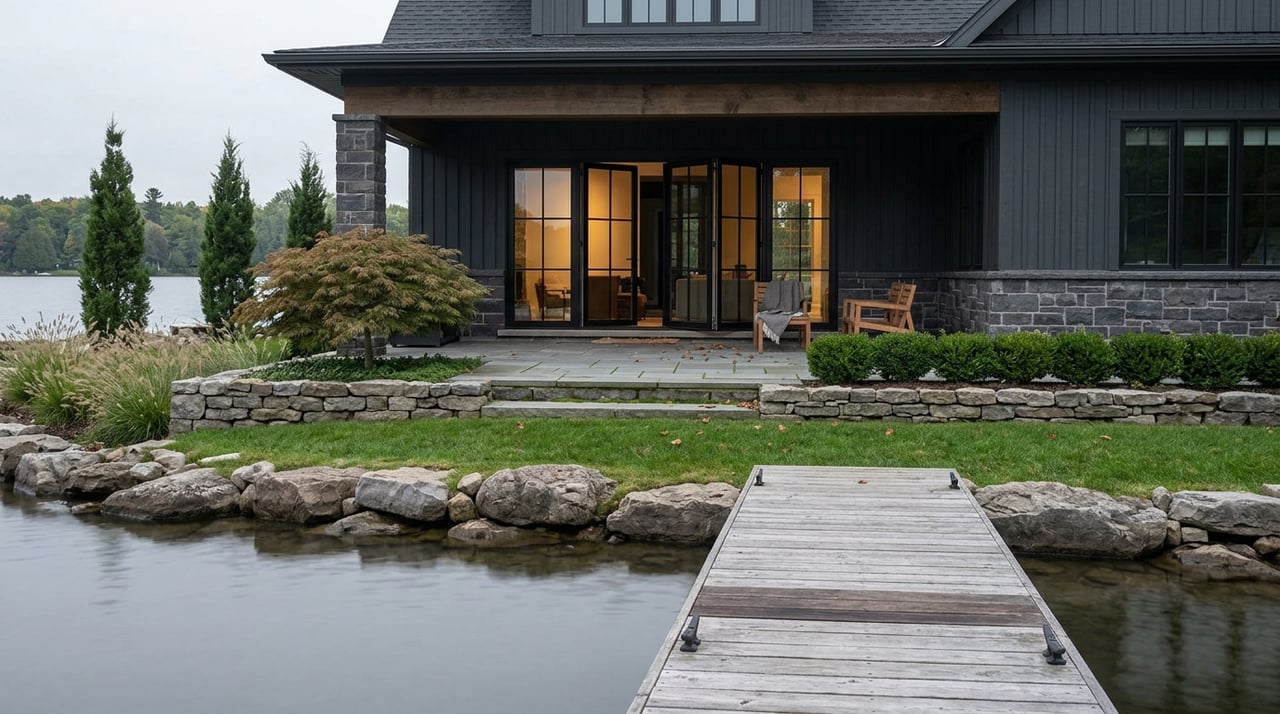
Selling a Lake Washington home in 98033 comes with details most listings never face. You are balancing luxury presentation with dock permits, shoreline rules, and showings on and off the water. With a clear plan, you can protect value, reduce surprises, and give buyers the confidence to move fast. This guide gives you a practical, step-by-step checklist tailored to Kirkland waterfront sellers so you can launch with precision. Let’s dive in.
Assemble your waterfront packet
Serious buyers want proof that the shoreline and dock are permitted, maintained, and safe. Pull these items into a single digital folder and a printed binder for showings.
- Deed and title report that confirms riparian rights or moorage rights
- Recent ALTA or boundary survey and any as-built drawings for dock, boathouse, and bulkhead
- Copies of permits and approvals for dock, bulkhead, shoreline stabilization, boathouse, and dock electrical work
- Any past approvals or correspondence from WDFW, USACE, and DNR
- Maintenance records, receipts, and contractor contacts for shoreline and dock work
- Warranties and manuals for floats, hoists, lift systems, and dock electrical gear
- FEMA flood zone map and any elevation certificate
- Utility details, including power to the dock and sewer or septic information
- HOA or community moorage agreements, slip leases, and any recorded easements
- Environmental reports if available, such as geotechnical or shoreline vegetation assessments
- Insurance records that show coverage for structures over water
Tip: Some permits can run with the land, but transfer rules vary. Verify what is transferable before you list, and place digital copies in a single “waterfront packet” you can share quickly.
Understand shoreline rules and permits
Lake Washington parcels can fall under local, state, and federal rules. Confirm status before you repair, replace, or even clean beyond routine maintenance.
- City and county shoreline programs: Local Shoreline Master Programs implement the state’s Shoreline Management Act. Start with the Washington Department of Ecology’s overview of shoreline programs for context and local links. You can review the state framework at the Department of Ecology’s page on the Shoreline Management Act and Shoreline Master Programs.
- In-water work approvals: Many dock or bulkhead projects may require a Hydraulic Project Approval through the Washington Department of Fish and Wildlife. See WDFW’s HPA guidance for process and seasonal work windows.
- Federal permits: Work in navigable waters or involving fill can trigger U.S. Army Corps of Engineers review. The Seattle District’s Regulatory page is a good starting point.
- State aquatic lands: If structures extend over state-owned aquatic lands, review Washington Department of Natural Resources aquatic program information.
Use neutral, factual descriptions of any past or pending approvals in your listing materials. If you discover unpermitted work, talk with your agent about options and timing before going to market.
Visit the Department of Ecology’s Shoreline Management Act and Shoreline Master Programs page
Review the Washington Department of Fish and Wildlife HPA guidance
Check the U.S. Army Corps of Engineers Seattle District Regulatory page
Learn about Washington DNR aquatic lands
Get your dock and shoreline inspection-ready
Buyers will focus on the dock, floats, pilings, and shoreline. A clean inspection record reduces risk and strengthens your position.
- Structural review: Hire a licensed marine contractor or structural engineer experienced with docks to inspect pilings, connections, and floats
- Electrical safety: Have a licensed electrician test dock power and lighting, including GFCI protection
- Hardware and lifts: Document the condition of cleats, bumpers, ramps, hoists, and lift systems; include service dates and photos
- Bulkhead and bank: Look for movement, scour, voids, and vegetation loss; obtain a condition summary
- Measurements: Confirm dock dimensions and elevations against permits or leases
- Water depth and seasonality: Note mooring depth at low water and typical seasonal levels
Strictly avoid unpermitted “touch ups” near the waterline. Even minor repairs can require approvals, and unpermitted work can complicate a sale.
Tidy, safe, and show-ready shoreline
A well-presented dock suggests a well-cared-for property. Focus on safety and simple cosmetic upgrades that read clean and premium.
- Clean algae and replace rotted planks; tighten hardware and add non-slip surfaces
- Refresh or replace worn railings, stairs, and fixtures; choose corrosion-resistant materials
- Touch up visible metal fittings and bumpers
- Remove clutter and personal gear such as tarps, extra lines, and fishing items
- Confirm ladders and life rings are present and in good condition
For high-value listings, consider a short marine survey you can share with buyers. This creates confidence and can support your negotiations.
Plan premium media and staging
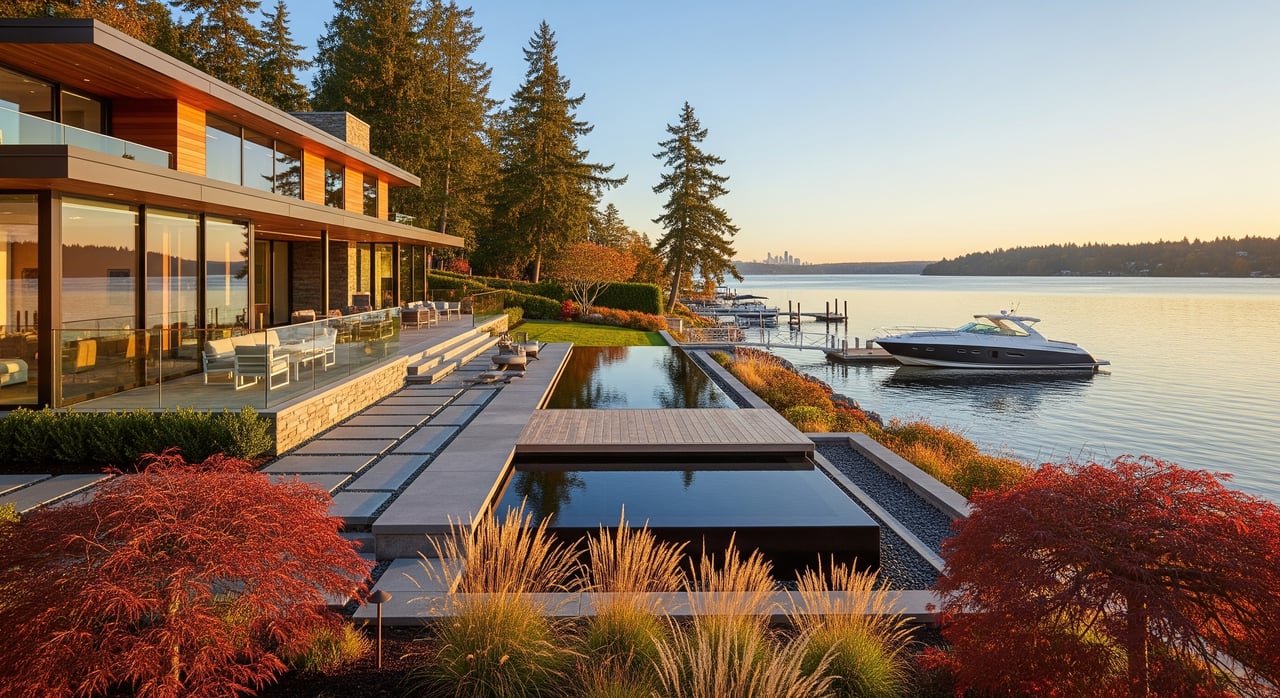
Your media plan should tell a clear waterfront story: approach, sight lines, and lifestyle.
- Aerial and drone: Capture shoreline context, access, and privacy. Use an insured Part 107 operator who follows FAA rules. Review FAA guidance for commercial operators.
- Golden hour and twilight: Schedule for calm water reflections and exterior lighting
- Boat approach clip: If safe and permitted, show a short approach by water to illustrate depth and docking
- Interior priority: Lead with rooms that frame the water, then connect paths to decks and dock
- Virtual tour: Ensure pathways to the water are easy to follow in your walkthrough
Stage for the waterfront lifestyle. Keep docks and patios uncluttered, add tasteful outdoor seating, check all exterior lighting, and trim vegetation to open views while staying consistent with local shoreline rules.
Review FAA guidance for commercial drone operators
Respect privacy, timing, and operations
Waterfront showings have moving parts. Plan for a secure, smooth experience.
- Access notes: Clarify if access involves steep steps, a boathouse staircase, or a shared dock
- Boat showings: If buyers request a boat approach, confirm insurance and operator credentials ahead of time and set docking rules
- Schedule: Favor calm mornings or early evenings when light is best
- Activity context: Let buyers know about typical summer weekend boat traffic or seaplane activity
Safety is part of the presentation. Before each showing, confirm clear walkways on the dock, secure railings, non-slip mats, and visible safety gear. Ask your insurer about coverage for invited visitors on the dock, and follow your broker’s policy on visitor waivers for water access.
Prepare disclosures and buyer-ready answers
Washington sellers must disclose material facts. On the waterfront, be ready to discuss:
- Dock and bulkhead condition, any past shoreline work, and known erosion or flooding history
- Permit history and whether approvals are recorded or documented in your packet
- Recent inspections, including electrical testing on the dock
- Insurance context, such as coverage specifics for structures over water
Many buyers will request your survey, permit portfolio, marine or structural reports, and electrical test results. Having these ready speeds due diligence and builds trust.
Kirkland waterfront listing timeline
Follow this sequencing to stay on track and reduce last-minute delays.
1 to 4 weeks before listing
- Assemble your complete “waterfront packet” and create a digital folder
- Confirm a recent ALTA or boundary survey; order an update if older than about 5 years
- Schedule marine structural and electrical inspections and request written reports
- Verify permit and approval status for all shoreline structures; begin remedies if needed
2 to 3 weeks before listing
- Complete prioritized dock, stair, lighting, and bumper repairs or maintenance
- Clean and stage shoreline, decks, and the dock; remove personal gear
n- Book professional photographer and an insured, FAA-compliant drone operator
- Draft seller disclosures and provide key waterfront documents to your agent
7 to 10 days before listing
- Finish staging and schedule a twilight photo session
- Prepare a concise buyer packet with survey, permits, inspection summaries, and flood or utility info
- Finalize showing rules: supervised dock access and any boat approach guidelines
Ongoing while listed
- Keep the dock tidy, well lit, and safe before each showing
- Maintain the digital packet and share quickly with buyers and inspectors on request
Pricing, timing, and negotiation notes
Water sells on presentation. Prime visuals often occur in late spring through summer, but luxury buyers transact year-round. Address visible dock or bulkhead issues before launch when possible. Clean permits, fresh inspections, and turnkey presentation support stronger pricing and lighter contingencies.
Your next step
If you want a smooth, premium go-to-market process, partner with a team that handles vendor coordination, staging, photography and video, and showing logistics for complex waterfront properties. We manage the details so you can focus on your move and your next chapter. To start a private plan for your 98033 waterfront home, connect with KLD Real Estate Group.
FAQs
What documents do Lake Washington sellers need before listing?
- Gather your deed and title report, recent survey, all shoreline and dock permits, maintenance and warranty records, flood and utility info, and any HOA or moorage agreements.
Do I need approvals to repair my dock in Kirkland?
- Many repairs may require approvals through local shoreline programs and state or federal agencies; check status with the city and review WDFW HPA and USACE guidance before any work.
How should I prepare my dock for buyer inspections?
- Schedule structural and electrical inspections, fix safety issues, clean surfaces, document lift capacities and service dates, and present a clear condition summary with photos.
Are drone photos allowed over my waterfront listing?
- Yes, when flown by an insured operator who follows FAA Part 107 rules and local restrictions; confirm airspace and respect neighbor privacy.
What are common buyer requests for Lake Washington homes?
- Expect requests for a survey, permit portfolio, marine or structural reports, dock electrical test results, and basic insurance context for structures over water.
When is the best time to list a Lake Washington waterfront home?
- Late spring through summer often provides the best light and water conditions for media and showings, but strong presentation and documentation matter year-round.