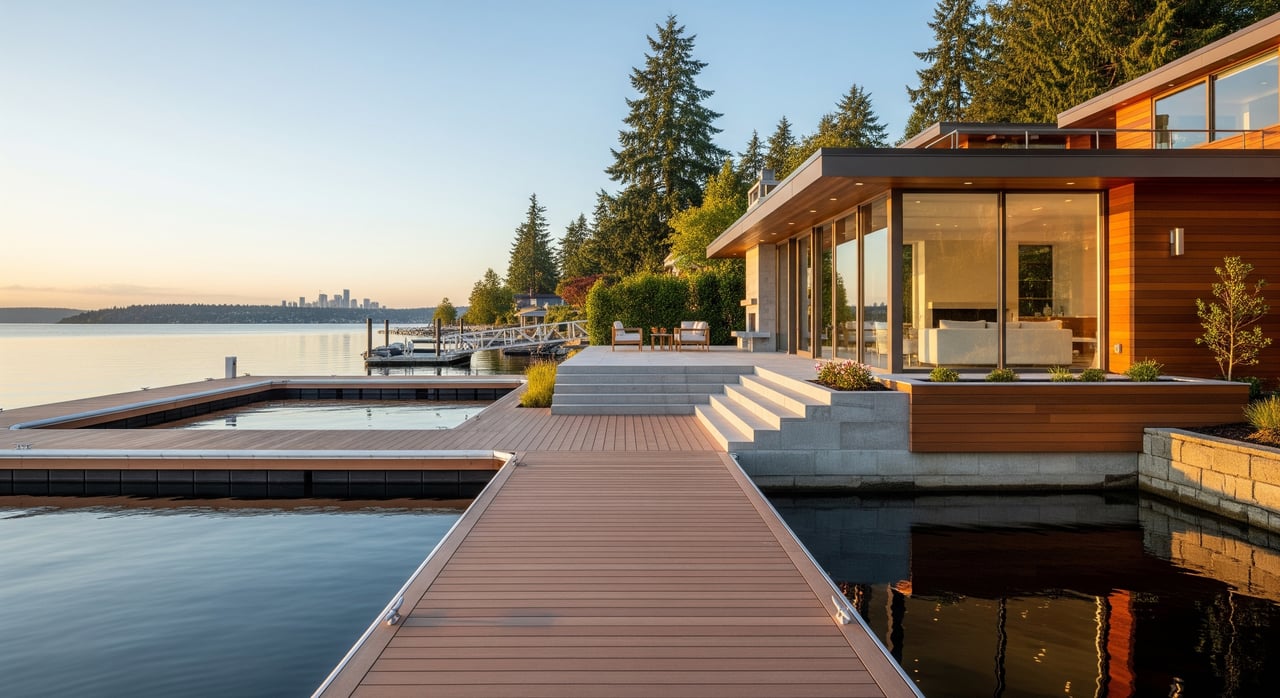
Timing The Market For Lake Washington Waterfront Sellers
February 5, 2026
February 5, 2026
Thinking about selling your Lake Washington waterfront home in the next year? Timing matters more here than almost anywhere else. Buyers want to experience the light on the water, see the dock in action, and imagine summer evenings outside. If you plan well, you can tap into the strongest months, reduce friction with permits and appraisals, and protect your sale price. This guide shows you how to choose the right window, what to prepare, and how to execute with confidence. Let’s dive in.
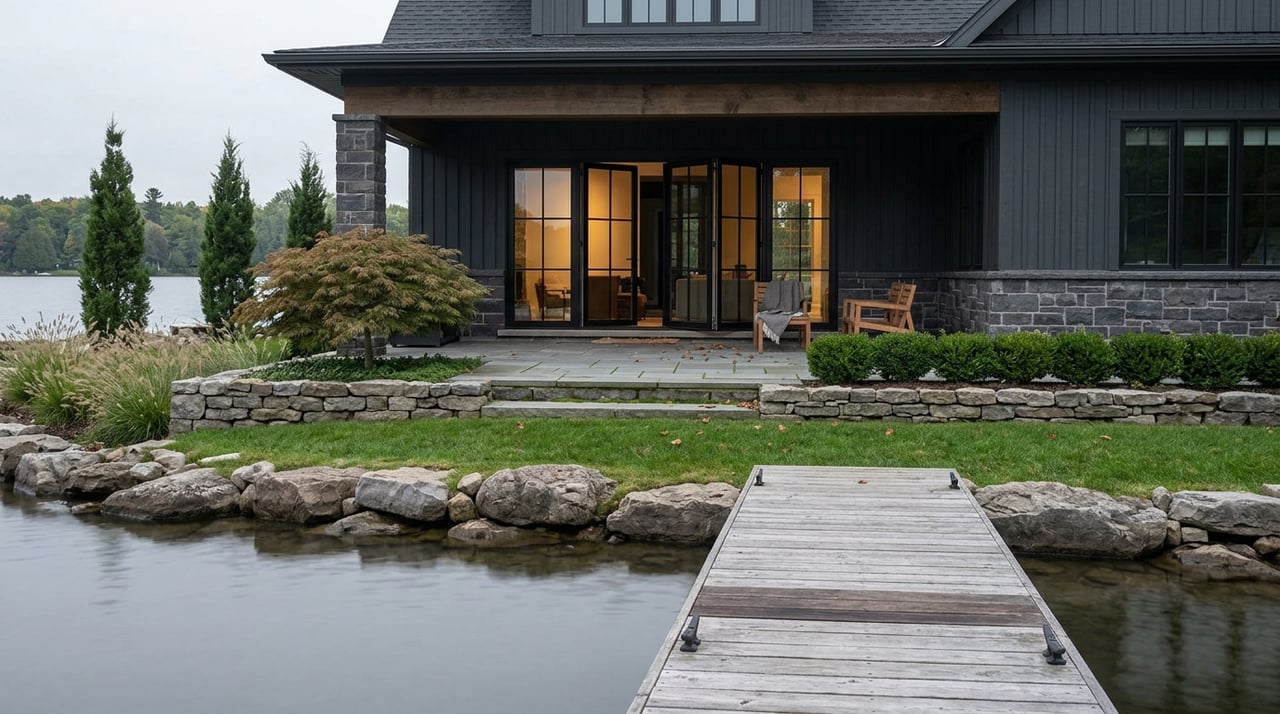
Waterfront buyers evaluate more than bedrooms and square footage. They look at dock condition, shoreline, privacy, and the flow between indoor and outdoor spaces. Those features show best in late spring and early summer when daylight is longer and outdoor spaces shine.
Regional market reports consistently show that spring to early summer brings more new listings, more buyer traffic, and faster closings. Summer can still be active, though travel schedules sometimes slow response times. Fall tends to cool, and winter has the fewest showings and listings. Lower winter inventory can help a motivated seller, but you usually see the most competition in spring.
Photography and marketing are also seasonal. Drone flights, twilight shoots, and styled outdoor moments perform best when weather and light cooperate. If you want to maximize attention, plan your listing to launch when buyers are most active and your property’s strengths show clearly.
For Kirkland’s 98033 waterfront and nearby Eastside shoreline, the sweet spot is typically April through June. Buyer activity, longer days, and prime curb appeal come together in this window. If you are aiming for top-dollar pricing and strong buyer competition, plan to go live in late spring.
Keep in mind that waterfront data can be volatile. With fewer annual sales, a single high or low closing can skew short-term medians. Base your timing and pricing on recent waterfront comps over the last 3 to 6 months in your immediate area rather than county-wide averages.
If a spring launch is not feasible, you can still succeed. In fall and winter, you often face fewer competing listings. To offset lower traffic, focus on precise pricing, targeted outreach to qualified buyers, and a complete documentation package. This reduces friction during due diligence and keeps serious buyers engaged.
On the Eastside, many waterfront buyers are local, affluent owner-occupiers. They often prioritize a private dock or moorage, strong bulkhead or seawall condition, privacy, unobstructed views, and commute access to Bellevue and Seattle. You also see second-home and investor buyers, though they are a smaller share.
Expect a mix of cash and jumbo financing. Jumbo loans come with stricter underwriting and longer contingencies than conventional loans. The interest rate environment influences how many financed buyers can compete. Monitor weekly mortgage rate surveys as you approach your launch.
Appraisals can introduce uncertainty. Waterfront comparables are limited, and unique features like an exceptional private dock or unusual shoreline can push value beyond what appraisers see in recent sales. Be ready to address appraisal gaps when financing is involved.
Track a waterfront-specific dashboard rather than county medians. The following indicators help you time the market and set expectations:
Use NWMLS market reports as your primary data source and corroborate with trusted local broker briefs. Review updates weekly or biweekly as you approach launch.
Shoreline properties face added layers of regulation. Washington’s Shoreline Management Act and King County’s Shoreline Master Program govern uses and improvements near the water. Repairs or replacements to bulkheads, seawalls, and docks often require permits and environmental review. Those processes can add time.
Buyers care about maintenance and documentation. Seawall condition, erosion control, and water-quality or vegetation notes can all shape perceptions. Shared docks, private access easements, recorded moorage rights, and covenants should be clear in title. Some improvements face stricter standards over time, and insurance and replacement costs can influence buyer confidence.
The solution is early due diligence. Review permits, bulkhead and dock condition, surveys, and title long before you go to market. If any work is needed, start it early so you can disclose it confidently and keep contingency timelines tight once you list.
If you are targeting an April to June launch, begin preparations 8 to 12 weeks in advance. For fall or winter, allow even more time if shoreline work is needed.
Premium media is nonnegotiable on the lake. High-end drone video, polished lifestyle footage, and twilight photography highlight shoreline, views, and outdoor living. Stage outdoor spaces to show how buyers can use the dock, patios, and lawn in season.
Documentation builds trust. Include your survey, dock permits, bulkhead reports, and maintenance history in the broker packet. The more you answer up front, the faster serious buyers move. Local broker networks matter as well. On the Eastside, many affluent buyers transact off-market or after broker previews. Targeted outreach can accelerate results and improve terms.
Pre-inspections can reduce renegotiation risk. Completing and disclosing repairs signals confidence. If appraisal risk is high, prepare a comps package that supports value and set clear expectations for earnest money and financing. Short but reasonable contingency timelines help you identify committed buyers without discouraging competition.
Consider strategic concessions only when they protect net proceeds. If a lender will struggle with a unique feature, screening for buyers who have aligned financing can prevent delays. The goal is to maintain leverage while keeping qualified buyers engaged through a smooth, well-documented process.
Neighborhoods around Lake Washington are distinct. Medina and Hunts Point can attract buyers who prioritize privacy and exceptional docks. Kirkland’s 98033 shoreline often appeals to those who value proximity to restaurants and amenities. Lot depth, shoreline type, and local zoning can all drive price differences.
Waterfront is a low-volume segment. A single sale can skew short-term stats in your micro-market. Use rolling multi-month views and recent comps, not one-off medians. Commute patterns and planned infrastructure also play a role. Easy access to SR-520 and I-90, and evolving transit links in Bellevue and Redmond, enter buyer calculus.
For most Lake Washington waterfront sellers, the strongest timing is spring, especially April through June. Start preparations 8 to 12 weeks early so inspections, permits, repairs, and media are complete before you go live. Track waterfront-specific supply, speed, and pricing metrics, not general county averages. Aim marketing at the lake lifestyle with flawless media and a thorough documentation package. Be ready for appraisal and financing dynamics with a clear plan.
If you want a partner to handle the details, we can help. KLD Real Estate Group is a Windermere-affiliated team focused on Eastside lakefront and premium neighborhoods. We pair proven waterfront expertise with premium listing production, concierge logistics, and skilled negotiation for complex shoreline transactions. Ready to align your timeline and strategy? Schedule Your Private Consultation with KLD Real Estate Group.
At Kritsonis Lindor Real Estate Group, we understand that your home is more than just a property; it's a place where memories are made. That's why we're committed to providing you with a seamless and personalized real estate experience. Contact us today to learn more about how we can help you achieve your real estate goals.
Stay up to date on the latest real estate trends.