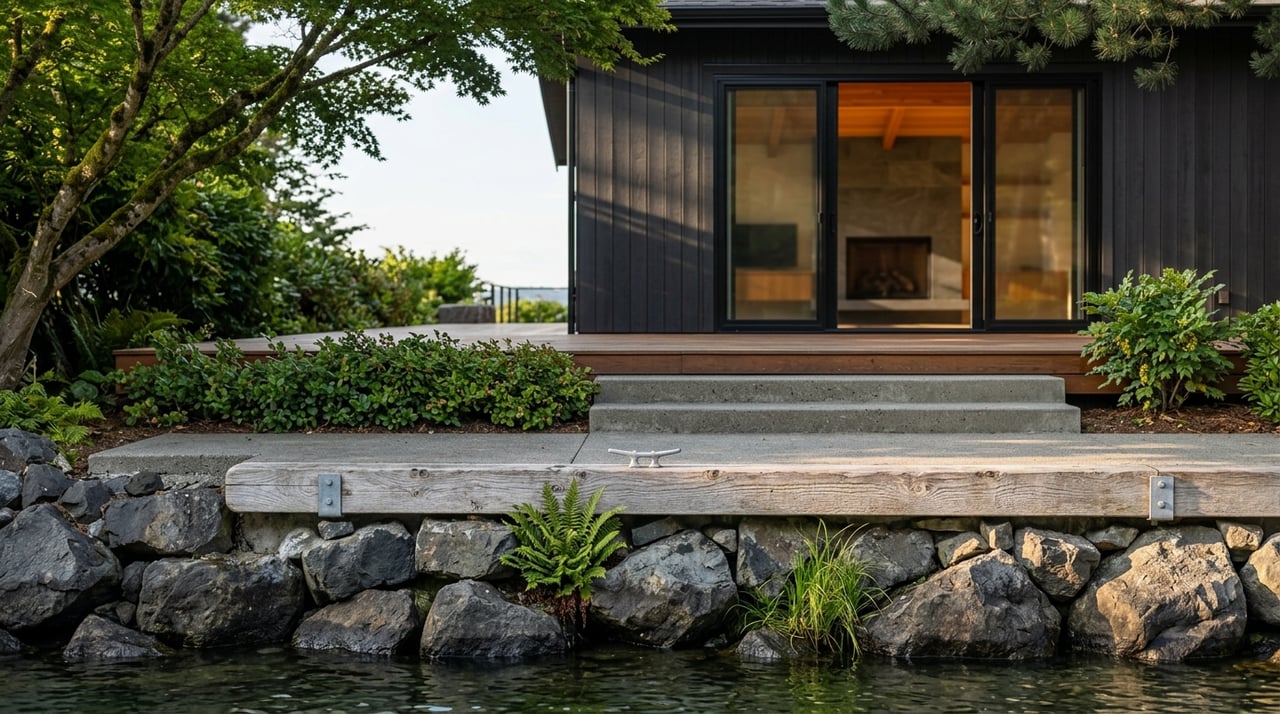
Due Diligence For Buying On Lake Sammamish
April 2, 2026
April 2, 2026
Buying on Lake Sammamish can feel like buying two properties at once: the home you see and the shoreline rights, limits, and risks you do not. If you are drawn to the lake lifestyle, it is easy to focus on the views, the dock, and the backyard, but waterfront due diligence goes much deeper than a standard home purchase. This guide walks you through the key issues to verify before closing so you can move forward with more clarity and fewer surprises. Let’s dive in.
Lake Sammamish properties often involve more layers of review than a typical inland home. According to the Washington State Department of Ecology’s shoreline program guidance, shoreline rules can involve local, state, and federal oversight, and Lake Sammamish falls within a regulated shoreline environment.
For buyers in Sammamish, the city notes that the mapped flood hazard area is along the Lake Sammamish shoreline. The city also explains that the ordinary high water mark can shift over time and that a 50-foot shoreline setback is measured from that line, which can directly affect usable yard space, expansion plans, and permit options for a specific parcel. You can review those details on the City of Sammamish floodplain regulations page.
That is why due diligence on the lake should focus on parcel-specific permitability, not just the home’s current condition. The City of Sammamish also recommends a Project Guidance request for shoreline work before improvements, landscaping, or construction because multiple permits may be required.
Before you remove contingencies, confirm how the parcel fits within shoreline jurisdiction. King County shoreline materials describe regulated shoreline areas to include large lakes, the 200-foot shoreline band, the 100-year floodplain, and associated wetlands. On a waterfront lot, that framework can shape what you can build, repair, replace, or expand.
This matters even if you do not plan a major remodel right away. A simple future idea like extending a patio, replacing shoreline features, or updating lakeside landscaping may involve more review than expected if the work falls near the ordinary high water mark, floodplain, or other regulated area.
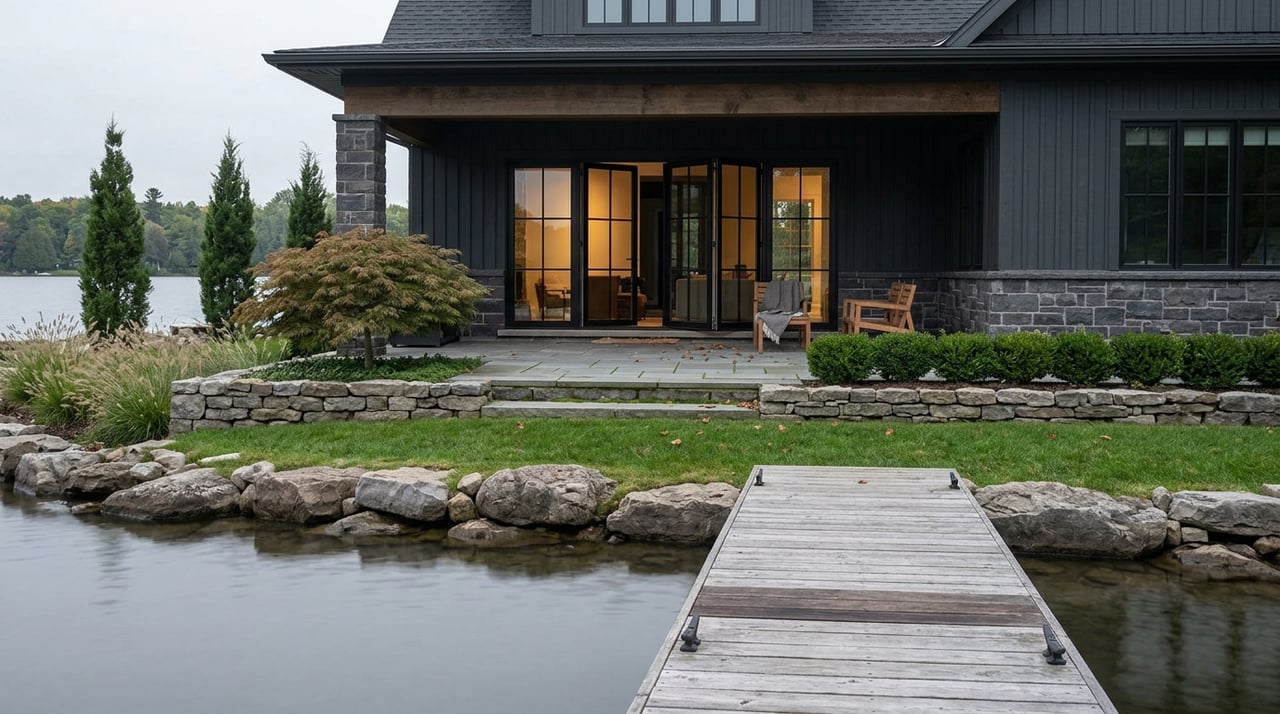
A dock is not just an amenity. On Lake Sammamish, it is also a permitting and compliance issue. The City of Sammamish states that dock repair must follow city dock rules and requires a Shoreline Exemption Letter, and it also outlines how many personal watercraft lifts and boat lifts may be allowed for a single-family property on the shoreline. Those details appear on the city’s shoreline regulations page.
As a buyer, you should verify:
Bulkheads and shoreline stabilization deserve the same level of attention. The city treats bulkhead repair or construction as shoreline stabilization, and King County’s shoreline permit checklist notes that projects involving stabilization or armoring may require a geotechnical report. If a bulkhead exists, you will want to know whether it is permitted, what condition it is in, and whether future work could trigger technical studies or additional permits.
One of the biggest risks in a waterfront purchase is assuming the property’s wastewater setup is straightforward. It may not be. King County’s shoreline permit checklist requires either sewer availability documentation or preliminary approval for an on-site sewage system, depending on how the property is served.
Do not rely only on the listing description. Confirm early whether the home is connected to public sewer or uses septic, because that answer can affect inspections, timing, remodel plans, and closing steps.
King County Public Health maintains official resources for on-site sewage systems. For septic-served homes, the county requires inspection by a certified on-site system maintainer before transfer of title, and the seller must complete specific documentation requirements before closing.
You should review:
This is especially important because King County says older septic records may be incomplete. The county also explains that the reserve area matters because if it has been impacted by development, a new reserve area or design review may be needed. For a lake property, that can be a major issue if you hope to add square footage later.
Future plans matter during your due diligence period, not after closing. King County states that building or remodel applications affecting septic-served homes may require Public Health review before most building permits can be issued, and it specifically advises contacting the Septic Expert first if you plan to add a bedroom.
If you are buying with plans to expand, update, or reconfigure the home, wastewater capacity should be part of your analysis from day one.
On a lakefront purchase, title review should go beyond confirming ownership. According to the Washington Office of the Insurance Commissioner’s title insurance overview, title insurance helps check for liens, authority to sell, fraud, forgery, inheritance claims, and other ownership challenges. The state also notes that lender title insurance protects the lender, not your ownership interest, which is why many buyers also consider an owner’s policy.
For waterfront property, the exceptions section of the title report deserves close attention. Easements, access rights, use limits, or other recorded restrictions can affect how you use the land and shoreline improvements.
Boundary review is also more complicated at the water’s edge. The Washington Department of Natural Resources explains that the Public Land Survey Office collects and indexes land survey records and boundary monuments, while the City of Sammamish notes that locating property lines extending into the water is not always straightforward.
Before removing contingencies, consider reviewing:
King County’s shoreline site plan requirements also show how detailed these issues can become, requiring mapping of the ordinary high water mark, floodplain, easements, restrictions, utilities, and critical areas on permit submittals. That is a reminder that boundaries and access are not just abstract legal issues. They can shape future use and approvals.
Flood risk is a separate issue from standard homeowners insurance. The Washington Office of the Insurance Commissioner’s flood insurance guidance states that standard home insurance policies usually do not cover flood damage and that separate flood insurance is often needed.
That matters on Lake Sammamish because Sammamish identifies the shoreline as the city’s mapped flood hazard area. If you are considering a lakefront home, ask early for flood insurance quotes and confirm how the property’s location and existing improvements may affect coverage and cost.
This step is easy to postpone when a home checks every lifestyle box, but it is far better to understand insurability before you are fully committed.
A strong waterfront purchase usually involves more specialists than a standard transaction. Depending on the property, you may need help from several professionals to verify conditions, records, and permit paths before closing.
Common professionals to involve include:
When the property is complex, the right team can help you avoid making decisions based on assumptions.
Before closing on Lake Sammamish, it helps to think in terms of documents, not just inspections. The key records often tell you more about long-term ownership, repair limits, and future project feasibility than the showing itself.
Here is a practical shortlist to request and review:
In a market like the Eastside, it is easy to move quickly when a waterfront home is scarce. Still, careful due diligence can protect both your investment and your future plans for the property.
Lake Sammamish homes offer a rare lifestyle, but the real value of a waterfront purchase depends on what you can legally maintain, insure, repair, and improve over time. Shoreline setbacks, floodplain rules, docks, bulkheads, septic records, title exceptions, and boundary questions can all shape the ownership experience in ways that are not obvious during a tour.
If you are considering a purchase on Lake Sammamish or anywhere across the Eastside waterfront market, working with a team that understands site-sensitive transactions can make the process far more strategic. Connect with KLD Real Estate Group for guidance tailored to complex waterfront purchases.
At Kritsonis Lindor Real Estate Group, we understand that your home is more than just a property; it's a place where memories are made. That's why we're committed to providing you with a seamless and personalized real estate experience. Contact us today to learn more about how we can help you achieve your real estate goals.
Stay up to date on the latest real estate trends.